29 April 2026 • Janneke Mol
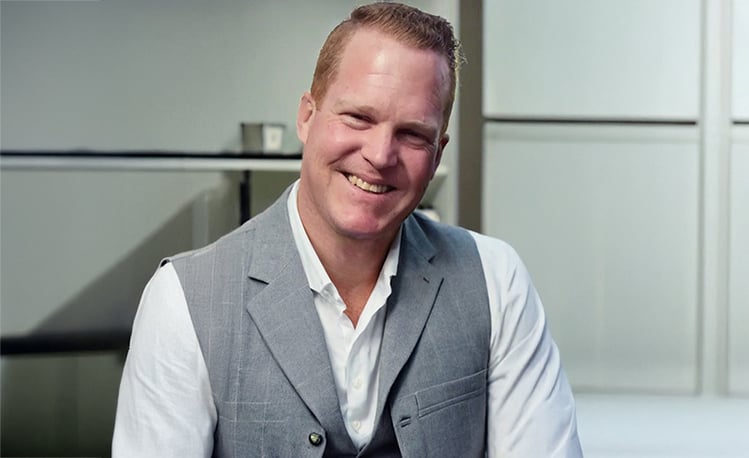
Patrick Kars on implementing and adopting Publiq (Dordrecht BouwApp).


Why do project managers work with multiple separate apps, when residents really just want one thing: to know what is happening in their neighbourhood? Patrick Kars, Project Manager (Public Realm) at the municipality of Dordrecht in The Netherlands, saw this every day. For each project, a separate app was developed, each with its own costs and maintenance.
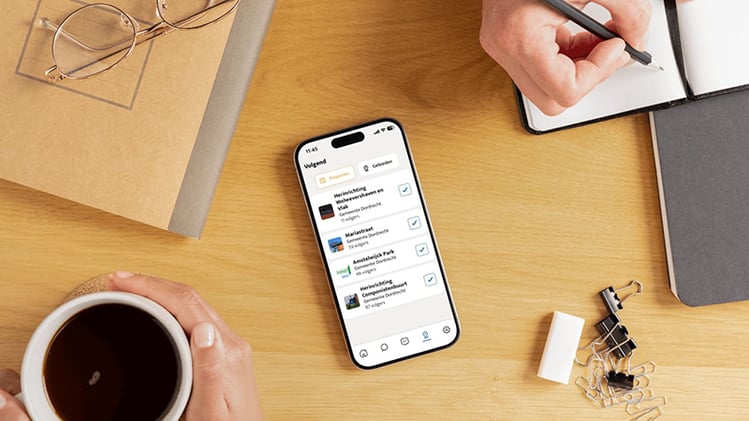
Residents had to download multiple apps and lacked a clear overview. “If you had four projects running, you had four different apps on your phone,” he explains. “That simply did not work.” This was the main reason why the municipality of Dordrecht decided to implement Publiq.
The decision to use Publiq itself was made quickly. Its functionality was clear and aligned with what they required. “The decision was easy,” says Patrick, “but after that, you enter the organisation’s internal process.”
As is often the case in municipalities, this meant involving multiple departments, from Information Management to Privacy, Security and Procurement. That process took time. “You have to go through a number of steps, and at each stage I found myself explaining again what we were trying to achieve,” he says.
In total, the implementation took nine months. Looking back, Patrick considers that understandable. “For a municipality of this size (nearly 123.000 residents), this is probably just how things work.” At the same time, the process provided Publiq with valuable insights into how implementation can be approached more effectively in other municipalities.
What became clear in Dordrecht is that this process is manageable, provided the right steps are taken in the right order. One of the key lessons is to involve Information Management as early as possible, as soon as the decision to adopt a platform is made. They can provide clarity on internal procedures, required steps and which other departments need to be involved, such as Privacy and Security.
It also helps to define a timeline in advance and align expectations together. Particularly in larger organisations, where multiple processes run in parallel, this can significantly speed things up. In addition, it is advisable to involve procurement early on, so that contract arrangements do not cause unnecessary delays.
These lessons are now actively applied by Publiq in new projects. Municipalities are supported throughout the process and guided in involving the right stakeholders at the right time.
For municipalities considering a similar step, Patrick has a number of practical recommendations:
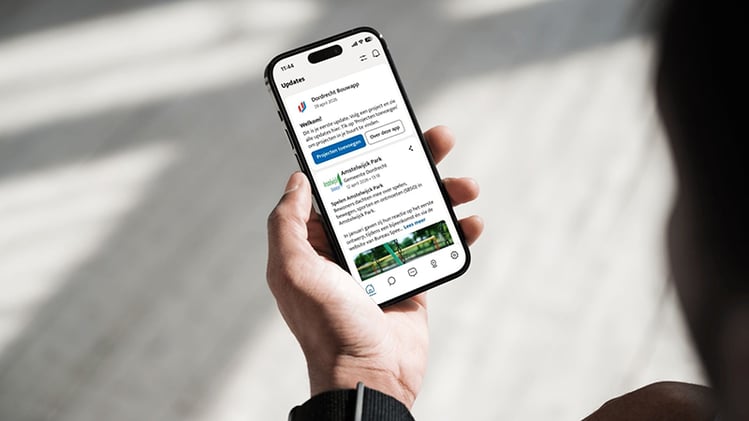
Dordrecht went live with Publiq early 2026. The first projects were set up by transferring and supplementing existing project information. The app is used not only for current updates, but also to document the full history of a project.
Resident letters, drawings and earlier communication are added so that everything can be found in one place. “Everything we have previously shared is now available in the app, including past communication. That was not possible with other tools,” says Patrick.
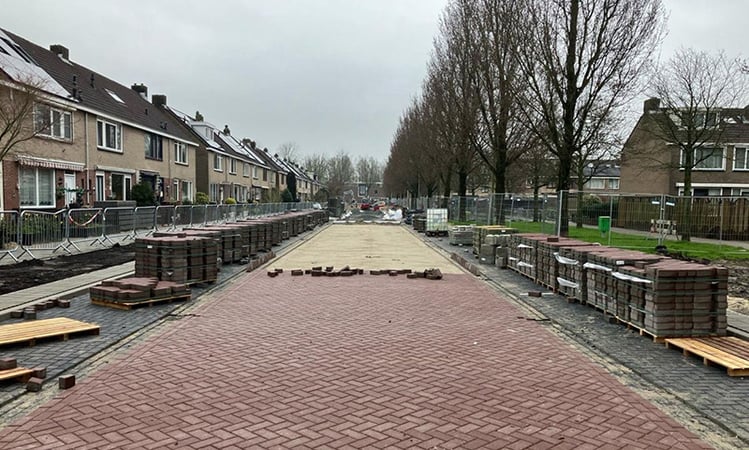
Usage is growing gradually. In the neighbourhood itself, the app is promoted through QR codes on site. Not everyone uses the app directly, but information also spreads between residents. “We hear that neighbours inform each other,” he says. “One person uses the app, another does not, but everyone still stays informed.”
According to Patrick, the biggest change is not technical, but lies in the way of working. Previously, communication was spread across different channels and departments. Updates had to be processed through communications or web management, which took time. “If something needed to be changed, it went through several layers. Now we can handle it ourselves,” he explains. “The communications team still supports us and reviews our texts where needed.”
This results in greater speed. Questions from residents are answered more quickly, updates are published faster and information is always available in one place. When residents get in touch with questions, they are often referred directly to the app. “Everything you are asking is already in the app,” he tells them. In many cases, that is enough.
The number of separate communication channels has also decreased. “You no longer need separate websites or mailboxes. Everything is brought together,” says Patrick. This also affects how residents experience communication. “They get answers more quickly and know where to look, which reduces frustration.”
One factor that positively contributed to the process was the collaboration with the Publiq team. Fast responses and direct support helped to keep the process moving. “If there had been delays there as well, it would have taken much longer,” he admits.
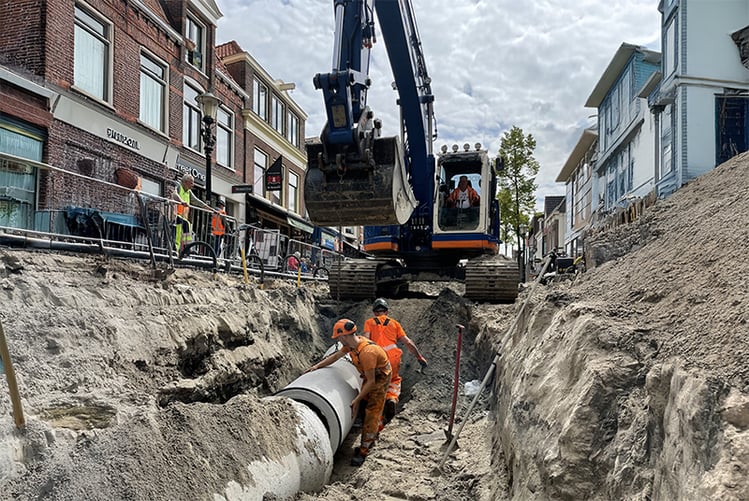
Although Dordrecht has only recently started using Publiq, the municipality is already looking at further expansion. The focus is currently on construction and infrastructure projects, but Patrick hears from other departments that they might be interested as well. “More and more colleagues see what it can do and want to use it. I think we will eventually move towards one Dordrecht app.”
Reach out to us
Concepteurs BVDownload our app


2026 Publiq. All right reserved.


