17 June 2026 • Janneke Mol
Interview with engagement data governance specialist Luiseach Flynn.


Community engagement is everywhere: public consultations, stakeholder platforms, surveys, drop-in sessions, social media updates. Organisations are communicating more than ever before, yet many communities still feel unheard. At the same time, project teams become frustrated by low response rates, declining trust and limited consultation.
So, if engagement is happening everywhere, why does it still so often fail to feel meaningful? Because meaningful engagement is not defined by the amount of communication taking place. It is defined by whether people genuinely feel heard, included and able to influence decisions that affect them.
According to engagement data governance specialist Luiseach Flynn, meaningful engagement depends on three things: intent, design and evidence. Without those three elements working together, engagement becomes little more than a box-ticking exercise.

Meaningful engagement is difficult to define because it looks different in every project, community, and context. There is no universal formula that guarantees success. What matters most is how engagement is experienced by the people involved. As Luiseach explains: “Ultimately, it is the stakeholder or community who determines whether engagement felt meaningful through their lived experience and through direct feedback.”
That means engagement cannot simply be measured by the number of meetings held, surveys completed or notifications sent. Communities want to know whether their concerns were genuinely considered, whether their input influenced decisions, and whether organisations listened.
At the same time, organisations also need internal ways to assess engagement. Teams should document whether consultation opportunities were inclusive, whether feedback was reviewed properly and whether communication loops were closed.
And in some sectors, there is a third layer: regulation. When engagement forms part of a planning or approval process, regulators may also assess whether the legal threshold for meaningful engagement has been met.
When these three perspectives align, engagement is far more likely to be perceived as meaningful:
However, those are the outcomes of meaningful engagement, not the mechanism behind it.
According to Luiseach, meaningful engagement itself is built on three foundations: intent, design and evidence.
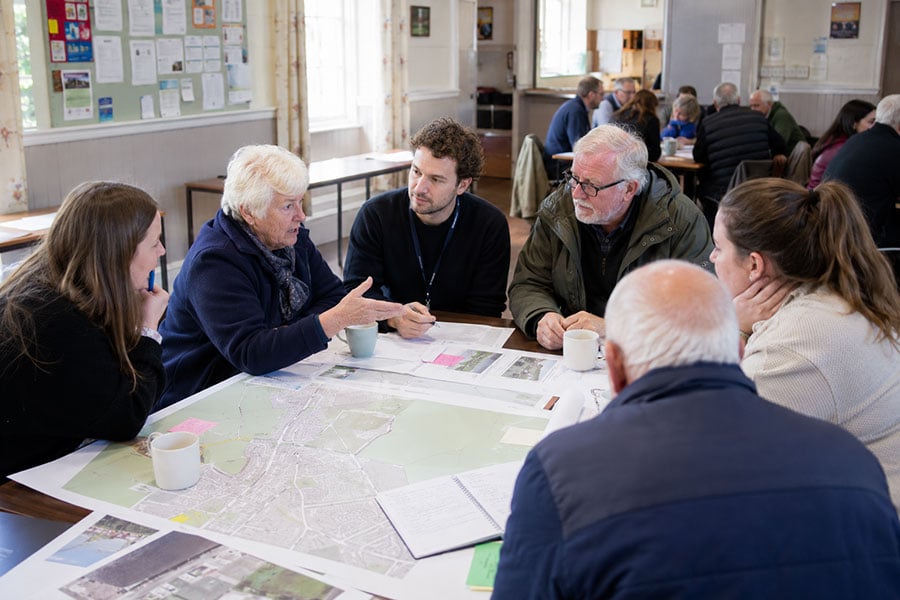
The first question organisations should ask themselves is simple: why are we engaging in the first place? That question matters more than the source of the engagement requirement itself.
Engagement may be driven by planning obligations, internal policy, leadership expectations or community pressure. However, the trigger is not what determines whether engagement becomes meaningful.
What matters is intent. “Are we doing this because we genuinely want to hear what stakeholders or communities think and let that inform our decisions?” Luiseach asks. “Or are we doing it because we have to tick a box?”
Communities notice the difference quickly. When engagement is treated as a compliance exercise, communication often becomes defensive, rigid and one-directional. Feedback is collected, but nothing visibly changes. Residents are informed, but not truly involved. Trust disappears over time.
Meaningful engagement starts with a willingness to listen before decisions are finalised. That does not mean every suggestion can be implemented, but it does mean people deserve honesty about what can still change and what cannot. Transparency about their influence is essential. If key decisions have already been made, organisations should communicate that clearly instead of creating the illusion of consultation. Intent shapes everything that follows.
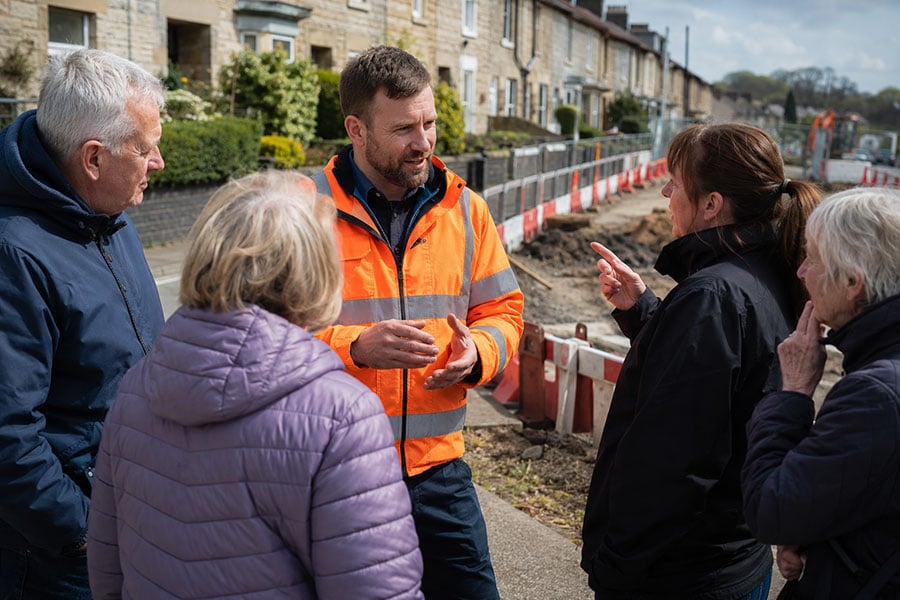
Even with good intentions, engagement can still fail if the process itself is poorly designed. Meaningful engagement requires structure. That includes stakeholder mapping, accessible communication channels, relevant timing, clear objectives, and realistic expectations about consultation.
One of the biggest mistakes organisations make is treating all stakeholders the same. Communities are rarely uniform. Different groups experience projects differently and have different concerns, priorities and levels of availability.
A parent with young children experiences infrastructure disruption differently from a local business owner or a commuter. A holiday homeowner may engage differently from permanent residents. Effective engagement design recognises these differences.
That means:
Design also affects trust. Poorly timed consultations, overwhelming volumes of information, or repetitive feedback requests can quickly create frustration and disengagement.
People do not necessarily disengage because they do not care. Often, they disengage because communication feels irrelevant, repetitive or performative. Good engagement design therefore focuses less on volume and more on relevance.

Engagement only becomes meaningful when people can see evidence that their participation mattered. This is where many engagement processes fail. Communities are asked for input, but never hear what happened afterwards. Surveys disappear into silence, meetings take place without visible outcomes, and feedback loops remain open.
Over time, this creates cynicism. Meaningful engagement requires organisations to document, demonstrate, and communicate impact clearly:
This evidence matters externally and internally. For communities, it shows that consultation was not symbolic. For organisations, it creates accountability and helps improve future engagement processes. And for regulators, it may provide proof that consultation requirements were properly fulfilled.
Luiseach particularly liked the idea of directly asking communities whether engagement felt meaningful. Surveys and feedback moments after engagement activities can help organisations measure not only consultation rates, but also trust, understanding and perceived influence. Because ultimately, meaningful engagement is not determined by the organisation running the process. It is determined by the experience of the people living through it.

Community engagement is evolving. Residents increasingly expect transparency, responsiveness, and genuine involvement, not simply updates pushed toward them. That means organisations must move beyond viewing engagement as communication alone. Meaningful engagement is not about how much information is shared. It is about whether people feel respected, included and able to influence outcomes.
Intent, design and evidence provide a practical framework for achieving that. When organisations engage with genuine intent, design engagement around real people and demonstrate the impact of consultation, engagement stops feeling performative and starts becoming collaborative. And that is when communities stop feeling informed and start feeling involved.

Experienced copywriter writing about Stakeholder Engagement and Consultation.
Reach out to us
Concepteurs BVDownload our app


2026 Publiq. All right reserved.


