27 May 2026 • Janneke Mol
The platform’s latest technical developments and a look ahead.


Publiq keeps evolving and we aim to continuously improve our platform for its administrators and end users. Some improvements are immediately visible for subscribers, while others enhance the experience behind the scenes for those in control of the projects.
Together with Suzet van Rossum from Customer Success and Support, we take a look at the most recent developments, along with a number of upcoming features we are currently working on.
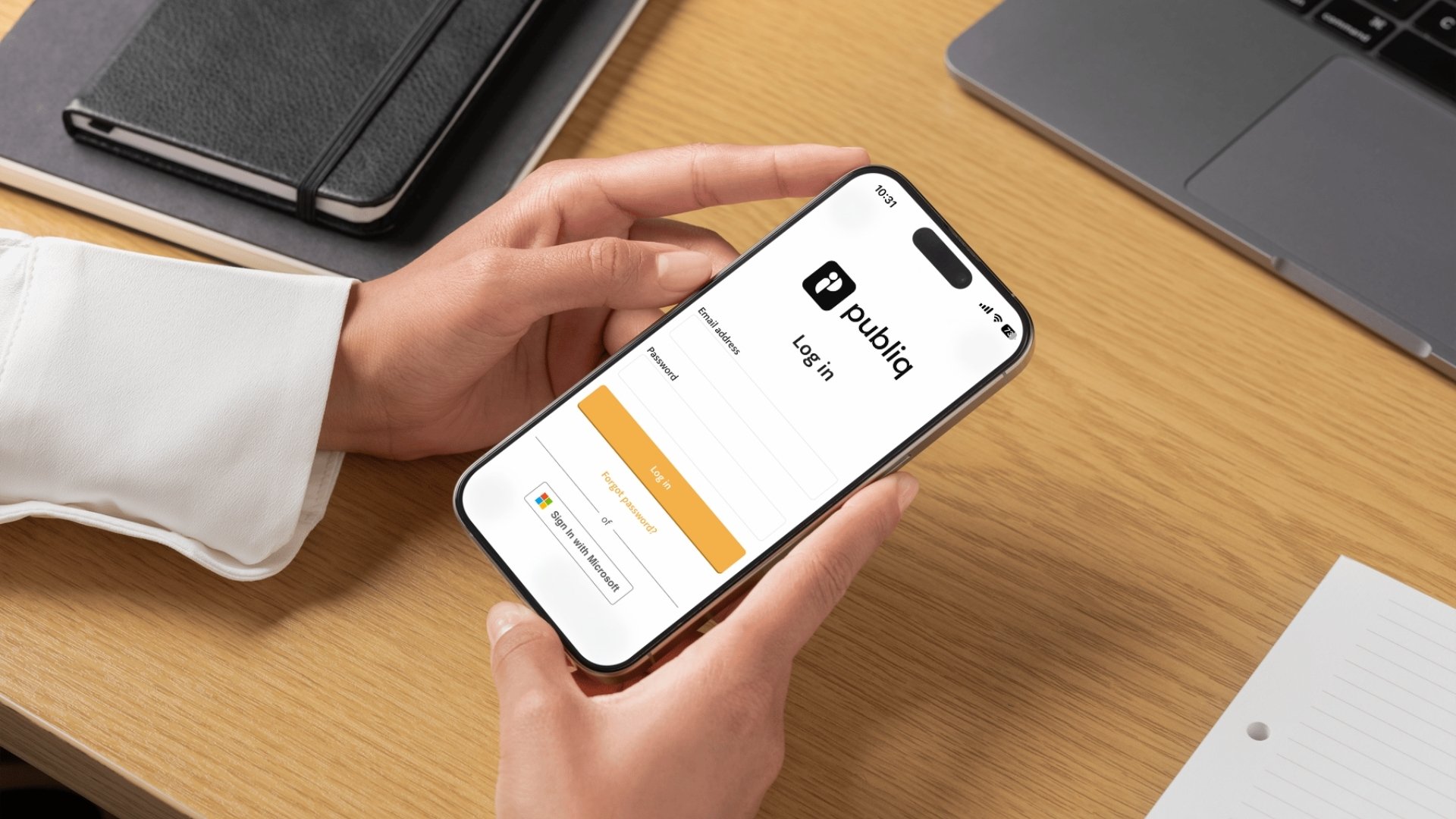
Administrators can now navigate directly from the app to the admin portal through an integrated link.
According to Suzet, this is one of the features that was requested most often in recent months.
It may sound like a small change, but it makes a significant difference for those who work on site or regularly post updates while on the move. “Administrators are very happy with this,” says Suzet.
“Especially because they can now post updates fast and wherever they are, using their mobile phone.” This development is also the first step towards further integration between the app and the admin portal.
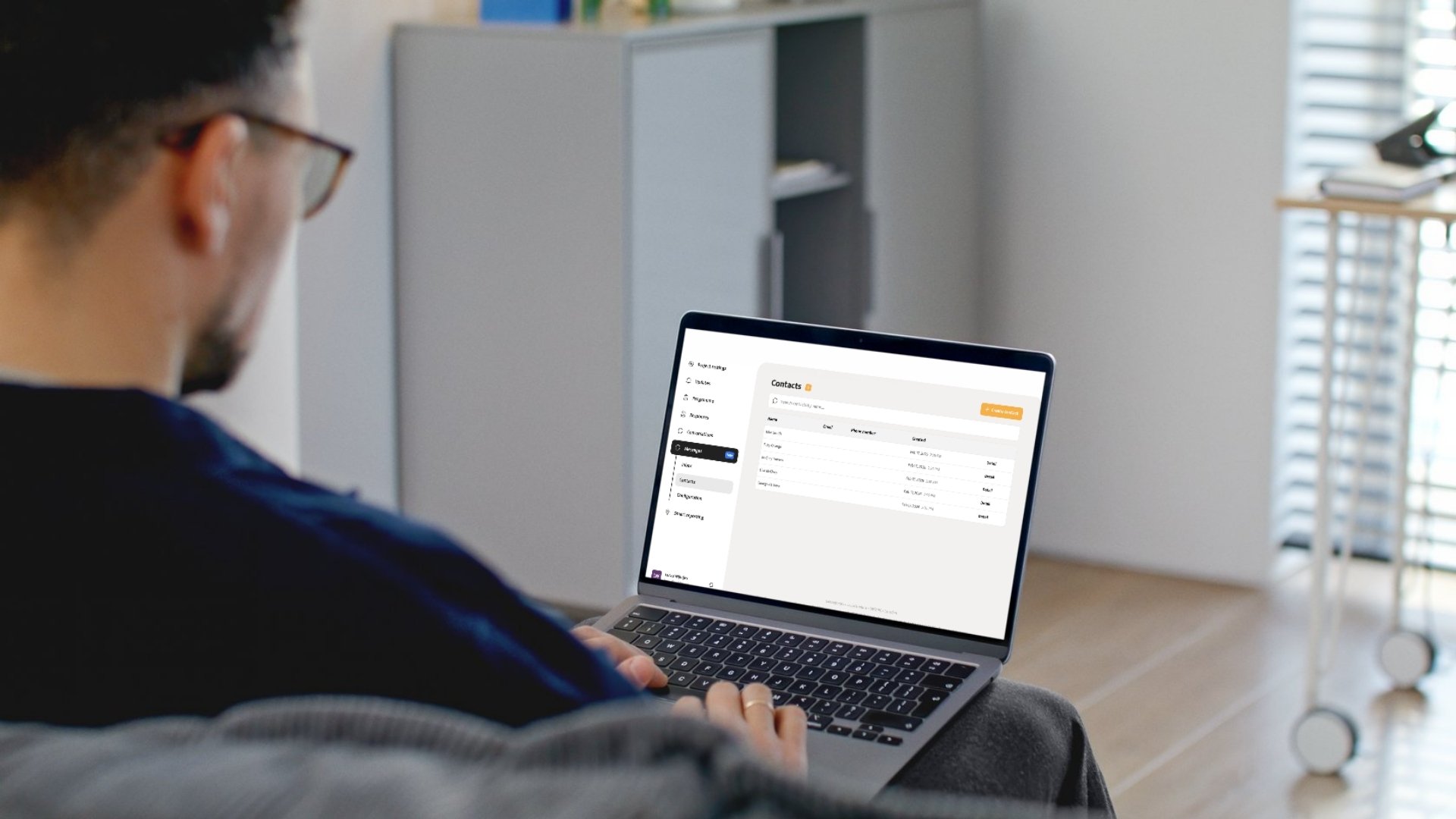
One of the major developments behind the scenes is the new messaging system, which is currently being tested in beta by a small group of users. The system is designed to make communication more organised and easier to structure.
Administrators can add contacts, store communication and assign tickets to colleagues as well. At the same time, work is underway on automatic (AI-supported) replies and improved filters.
Administrators now also receive automatic reminders when messages remain unanswered for more than seven working days.
For municipalities and organisations managing multiple projects simultaneously, organisation-level statistics have now been introduced.
Were insights previously only visible per project, organisations can now analyse performance across multiple projects at once. This includes follower growth, update performance and overall engagement. According to Suzet, this is a feature primarily requested by municipalities.
Export options have also been expanded, including CSV exports and automatic exports when projects are archived.
Increasing attention is paid to onboarding and user-friendliness, both for end users and administrators. A renewed onboarding checklist was added to help guide users more actively through creating an account and following projects.
Several UX improvements have also been implemented within the admin portal:
The autosave functionality in particular turned out to be a major request from administrators who regularly write longer updates. Several changes have also been introduced on the user side of the app, including searching within updates and expanded email notifications.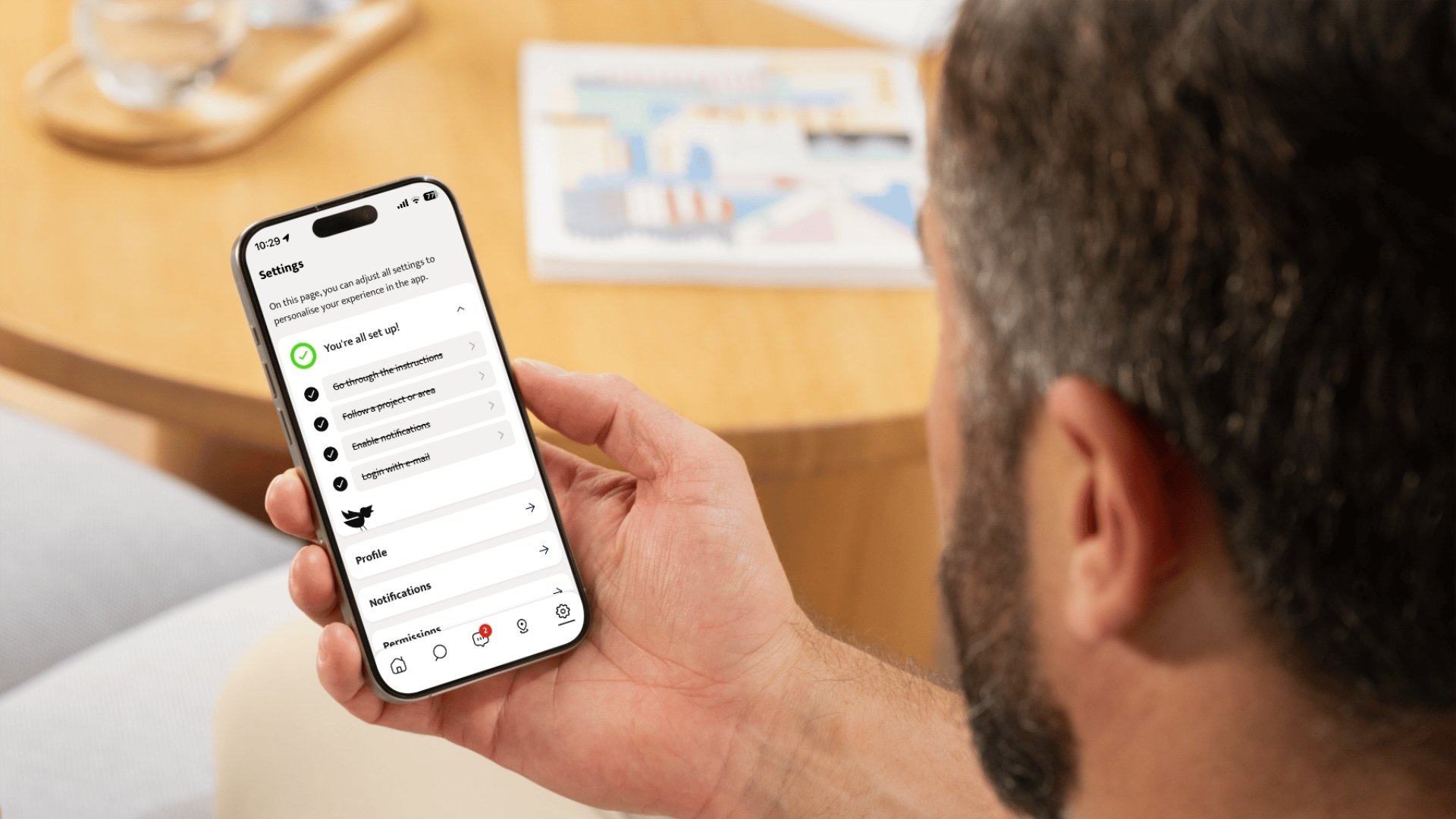
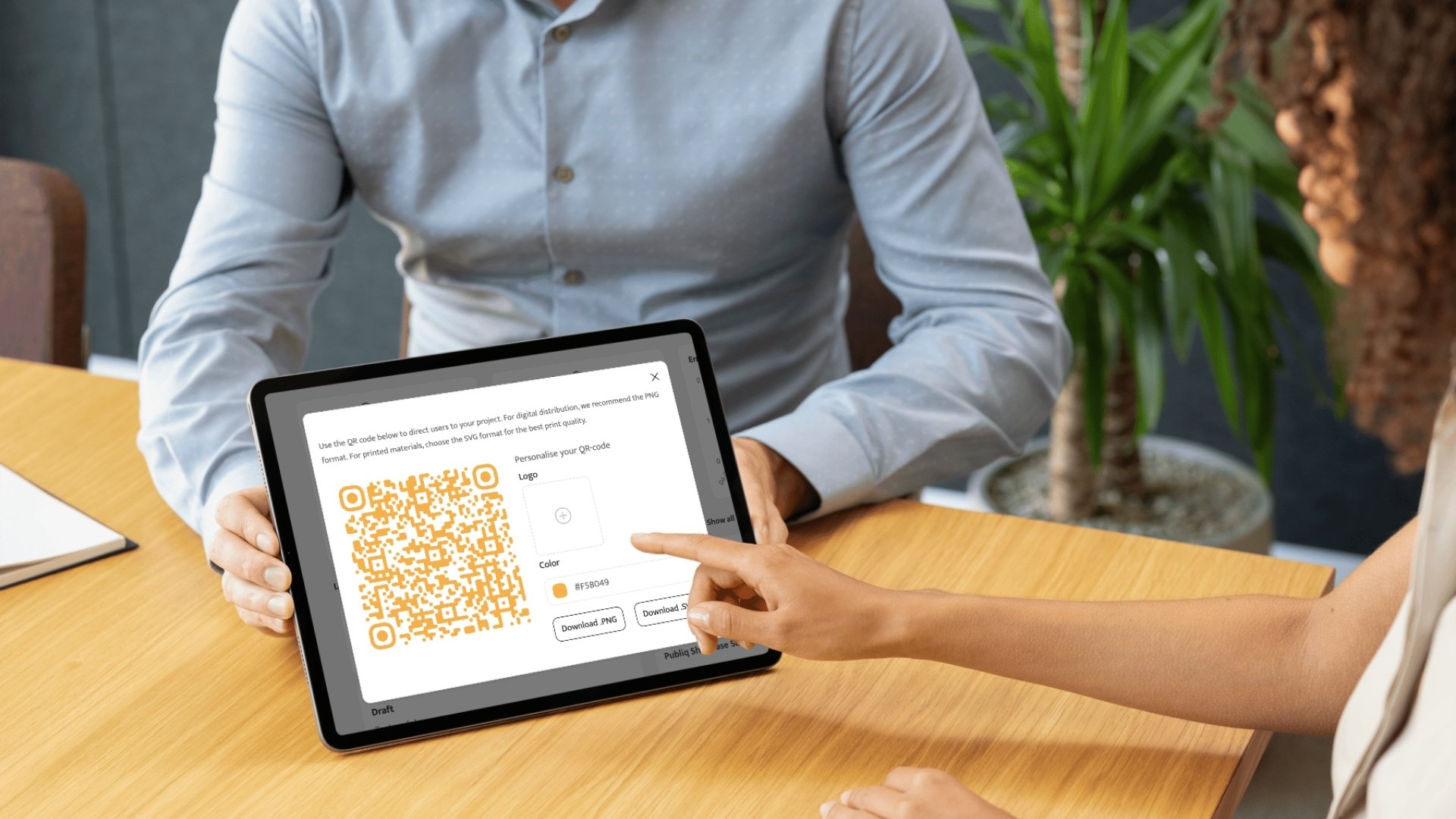
Another major focus area is personalisation and automation. QR codes can now be personalised with colours and logos, which helps create more recognisability and trust with end users.
At the same time, several AI functionalities are currently being developed. These are not live yet, but are planned for the coming period. Examples include:
The goal is not to make communication less personal, but rather to save administrators time on repetitive tasks.
According to Suzet, the main focus for the coming period will be usability and smarter communication. The messaging system will continue to expand, AI functionalities will gradually be introduced and the survey module will also receive additional options, such as templates, update integrations, and publishing surveys across multiple projects simultaneously.
At the same time, we continue to listen closely to feedback from our users. Many recent developments were originally customer requests. “It often starts with something where you think: maybe this is only useful for one administrator,” says Suzet, “but once more and more people start asking for the same thing, you know it will genuinely add value.”

Experienced copywriter writing about Stakeholder Engagement and Consultation.
Reach out to us
Concepteurs BVDownload our app


2026 Publiq. All right reserved.


