11 December 2025 • Janneke Mol
Learn why it’s essential for community liaisons to build trust, reduce risk, and improve outcomes.


Community engagement is complex. Residents constantly receive messages on every device they own, while at the same time expecting more transparency, more relevance, and more respect from the organisations that influence their daily lives. Traditional information sharing no longer meets these expectations. A simple update or notice can easily be lost, ignored, misunderstood, or met with scepticism.
Community dialogue is the answer to this dilemma. It moves communication away from one-way announcements and replaces them with meaningful two-way exchange. For community liaisons who work with or around communities, it provides a strategic advantage that improves outcomes, strengthens trust, and reduces risk.
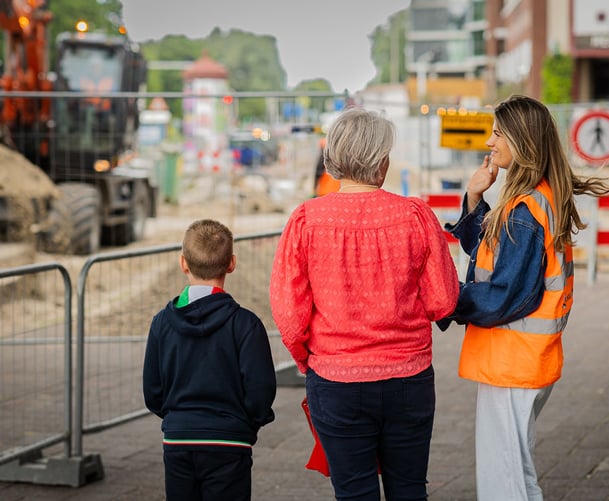
Community dialogue refers to the structured and deliberate exchange of information, concerns, and ideas between an organisation and the local residents influenced by its decisions. It is a 2-way method of sharing, listening, and responding.
Community dialogue contains of four elements:
This approach ensures that residents do not disengage because they feel overloaded or unheard. Instead, it switches communication tactics from volume to value.

Community dialogue has become an essential tool in community engagement, and that for several reasons.
You might know the challenge all too well: the residents you are trying to reach are already drowning in messages. With no relevance and trust, information is swiped away without a second thought. Community dialogue battles consultation fatigue, and offers something local residents actually want: a voice, clarity, honesty, and acknowledgement.
Communities have become more informed, more vocal, and more sceptical. When you invite early and honest dialogue, you reduce the risk of frustration and misinformation. Residents may still disagree, but they feel respected and taken seriously.
Some projects, policies, and developments can be quite complex and impactful. In this environment, local insight is indispensable. Community dialogue provides access to valuable insider information from the minds of the community itself.

Community dialogue has strategic value as well, and that in many ways.
Community dialogue prevents issues that typically delay or disrupt projects. When local residents understand what is coming, why it is happening, and how their concerns are being addressed, they are far less likely to resist. Early dialogue reduces objections, mitigates tensions, and keeps momentum intact.
Communities often contribute solutions that professionals might overlook. They know how spaces are used, where risks may emerge, and which alternatives may be more suitable. Use community dialogue, and you benefit from this collective intelligence, leading to more effective and locally informed decisions.
The Airedale Hospital project clearly shows that early community dialogue can greatly enhance designs and trust even before the building phase starts.
One of the main sources of frustration for residents is the lack of follow-up. When you request consultation but do not communicate the outcome, local residents lose trust quickly. Community dialogue prevents this by providing feedback as a standard practice. As a result, complaints decrease, escalation is avoided, and reputational harm is reduced.
If you listen, you build credibility. Over time, this develops into goodwill, which is invaluable. When future projects arise, the same community is more willing to engage constructively because previous experiences have shown that their voice matters.
From this, we can conclude that without community dialogue, you risk declining engagement, rising frustration, misinformation and rumours, unnecessary complaints, resistance and long-term reputational damage. Once trust is broken, rebuilding it requires great effort. In many cases, the damage could have been avoided through earlier and more inclusive communication.

Building meaningful community dialogue can be done by making a few simple changes:
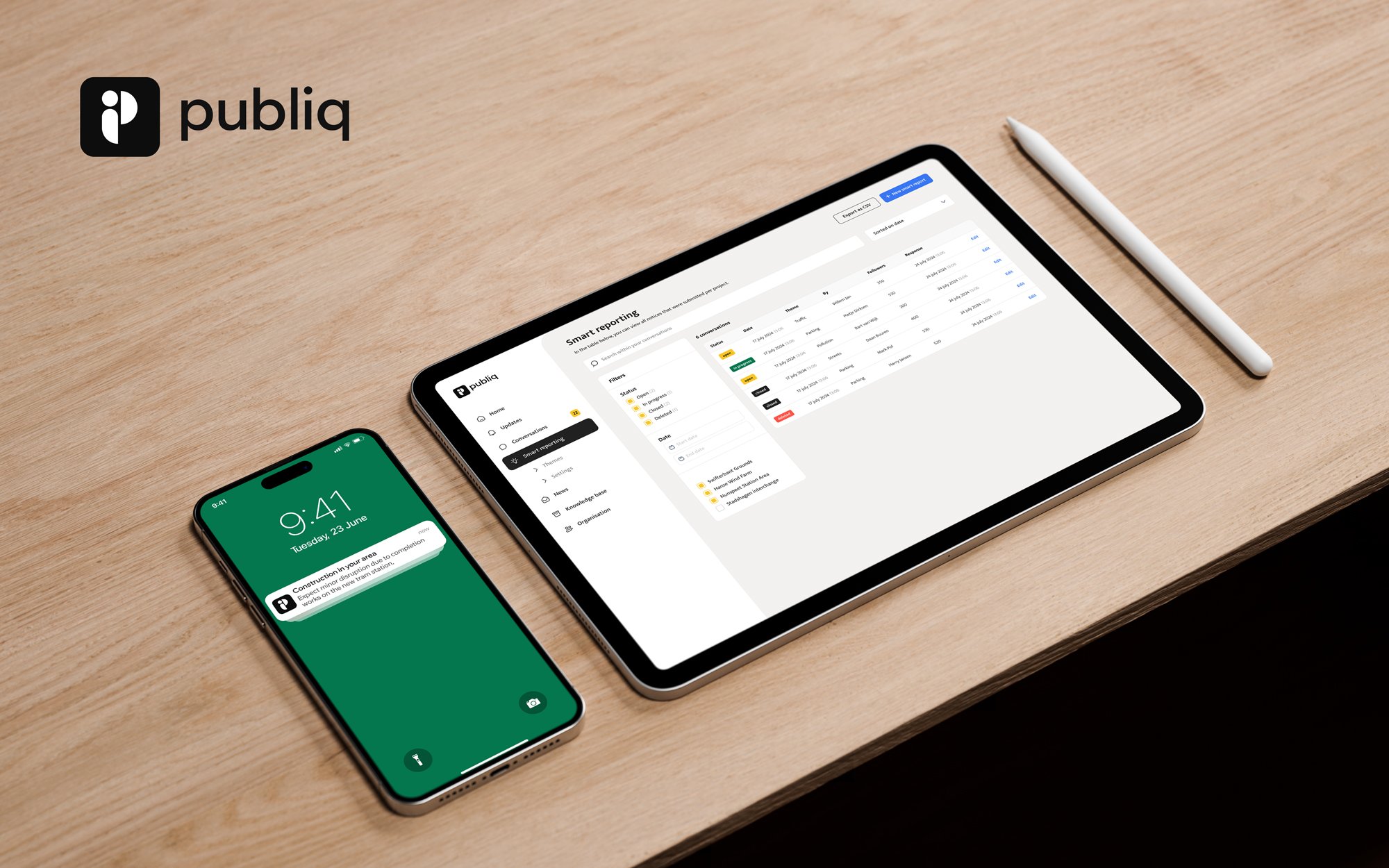
Modern tools such as the Publiq app allow you to manage community dialogue more efficiently. Features such as audience segmentation, multilingual communication, and quick sentiment checks help create conversations that are targeted, timely and relevant. Digital platforms complement physical engagement, and ensure that no voice is lost, including the quieter or harder-to-reach groups.
Community dialogue is a practical and strategic method that improves outcomes, prevents conflict, and builds lasting relationships with the communities that organisations rely on. In a world where communication overload and scepticism are increasing, dialogue offers clarity, trust and shared understanding.

Experienced copywriter writing about Stakeholder Engagement and Consultation.
Reach out to us
Concepteurs BVDownload our app


2026 Publiq. All right reserved.


